By Rob Moore
August 21, 2026
Coins can be more than pieces of currency. They can represent history, craftsmanship, family memories, and potential financial value, but determining what a particular coin is actually worth requires more than looking at its date or appearance. A coin that seems ordinary may have characteristics that make it desirable, while a visually impressive piece may have little value beyond its metal content. Professional coin appraisals provide a structured way to understand what is in a collection and why a particular piece may deserve attention.
The appraisal process can reveal a coin's identity, condition, authenticity, rarity, and market considerations. It can also help distinguish genuine collectibles from altered, misrepresented, or counterfeit pieces. For collectors, heirs, and anyone considering a transaction, professional evaluation can provide important information before a coin changes hands.
Identifying Each Coin's History
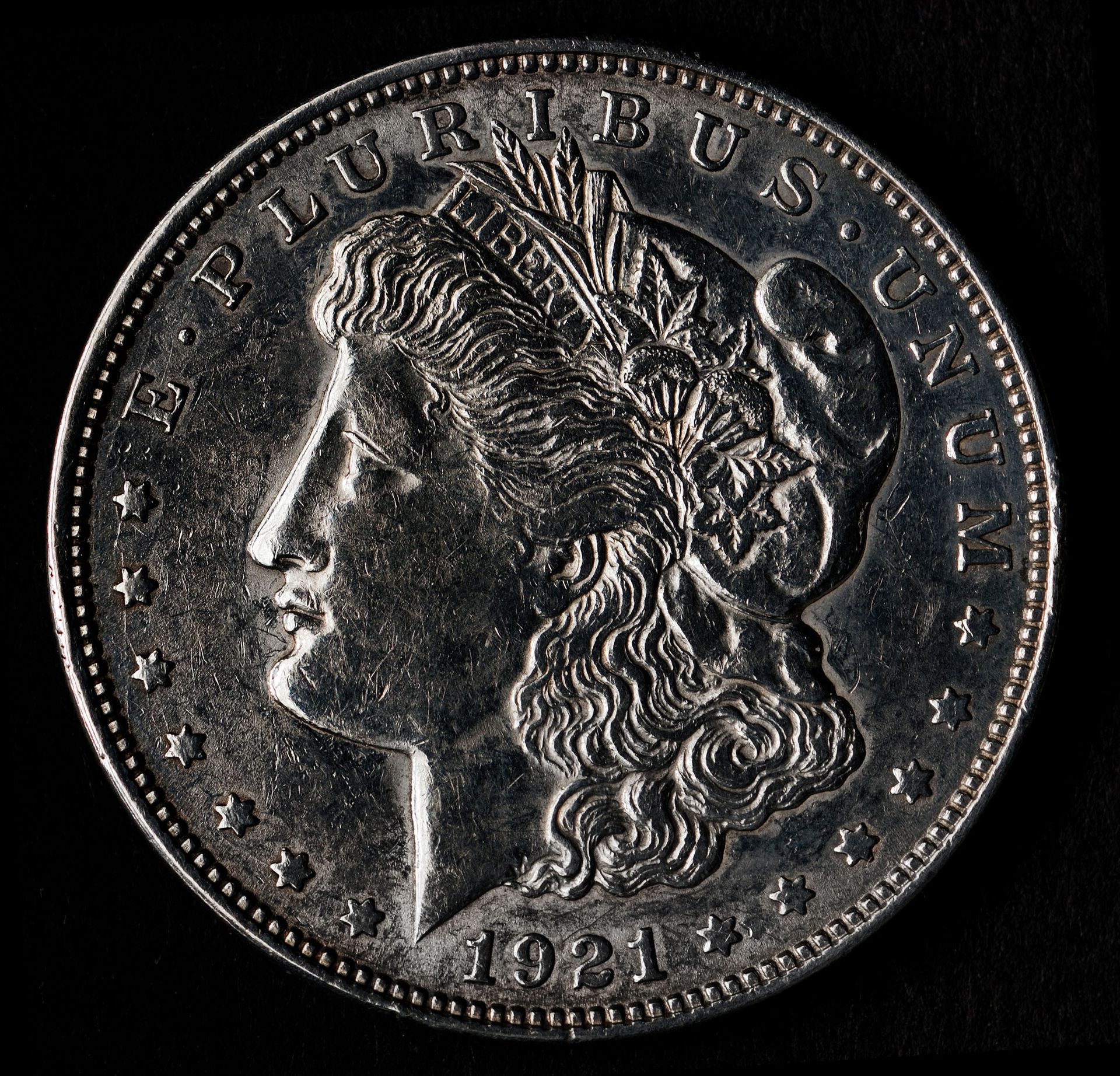
One of the first steps in evaluating a coin is establishing exactly what it is. An appraiser may examine the denomination, date, mint mark, design, metal composition, and other identifying characteristics. These details can narrow down a coin's place within a particular series and reveal whether it is a standard issue or an unusual variety.
Historical context can also affect how a coin is understood. Certain periods, mints, and production runs are more significant to collectors than others. A professional assessment brings these details together rather than relying on a single visible feature. Coin appraisals can therefore provide a clearer picture of a piece's identity before questions of value are considered.
Evaluating Each Coin's Condition
Condition is one of the most important factors in determining collectible value. Two coins with the same date and mint mark can have dramatically different values because one has retained more of its original detail and surface quality. Scratches, cleaning, wear, discoloration, dents, and other alterations can affect how collectors view a piece.
Professional evaluation considers the condition in relation to the type of coin being examined. Small differences in preservation can matter significantly within certain series. Rather than assuming an older coin is automatically valuable, an appraisal examines its actual state and how that condition affects its desirability among collectors.
Recognizing Each Coin's Rarity
Rarity is often misunderstood because age alone does not make a coin rare. Millions of old coins may still exist, while a coin from a more recent period could be difficult to locate because of a limited production run, unusual variety, or survival rate. Determining rarity requires examining production information and the availability of comparable examples.
An appraiser can help identify characteristics that separate common examples from scarcer ones. Minting errors, unusual dies, limited issues, and other distinctions may increase collector interest. Coin appraisals can help uncover these differences and explain why one seemingly ordinary coin may receive more attention than another.
Detecting Each Coin's Authenticity
Authenticity is essential when evaluating potentially valuable coins. Counterfeit pieces can be produced to imitate genuine examples, and some altered coins may begin as authentic pieces but have been modified to appear more desirable. Changes to dates, mint marks, surfaces, or other features can make a coin seem unusual without making it genuinely rare.
Professional examination can look for inconsistencies in dimensions, weight, surfaces, design details, and other characteristics. The exact methods used depend on the coin and the circumstances of the evaluation. Identifying authenticity concerns early can help collectors avoid treating a questionable piece as a genuine rarity.
Comparing Each Coin's Market Position
A coin's value is not necessarily the same as its face value or metal value. Collectible value can depend on rarity, condition, demand, provenance, and recent market activity. Even when two coins are technically similar, differences in preservation or collector interest can lead to different valuations.
An appraisal can place the coin within its broader collecting market. This does not mean every appraisal produces one permanent number, because markets can change and different transactions can produce different results. Instead, the evaluation provides useful context for understanding what characteristics may influence the coin's current appeal.
Uncovering Each Coin's Hidden Details
Some of the most interesting discoveries happen when a coin receives careful examination. A small mint mark, unusual design feature, doubled element, production error, or variety may be easy to overlook without specialized knowledge. These characteristics can be especially important in series where collectors actively seek specific variations.
Coin appraisals provide an opportunity to examine pieces systematically instead of judging them only by appearance. A professional may compare visible characteristics with established references and identify details that distinguish one issue from another. This closer examination can transform an apparently ordinary coin into a piece worth investigating further.
Understanding Each Coin's Provenance
A coin's history of ownership can sometimes add useful context to an evaluation. Records, collection notes, previous purchases, certificates, or family documentation may help establish where a coin came from. Provenance does not automatically make a coin more valuable, but credible background information can be relevant when considering an important or unusual piece.
Documentation can also help clarify how a coin entered a collection and whether previous evaluations have been performed. When a piece has a notable history, preserving supporting records may be worthwhile. An appraiser can consider available documentation alongside the physical characteristics of the coin.
Separating Each Coin's Value Factors
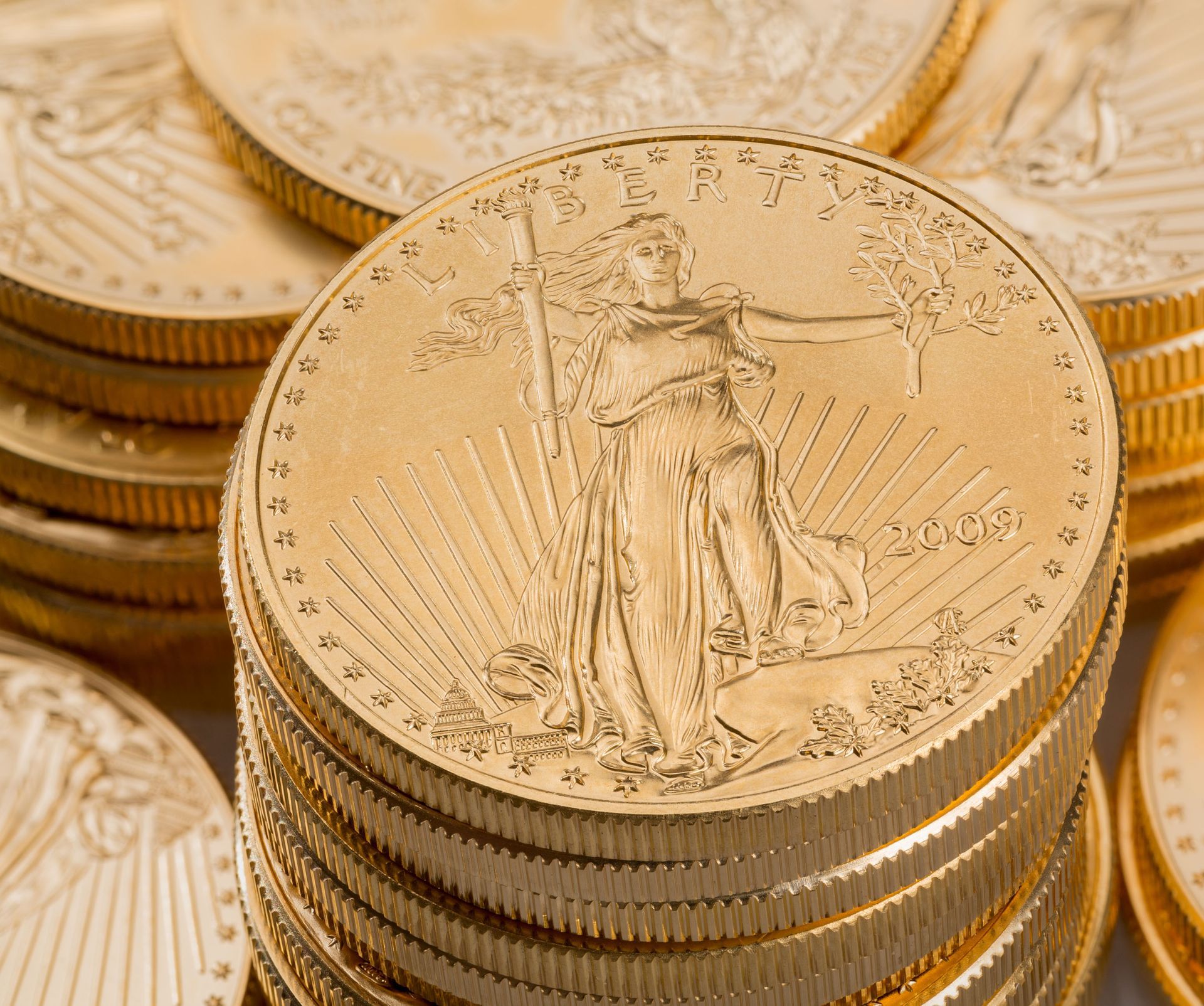
People sometimes assume that a coin's precious-metal content determines its entire value. While gold, silver, or another material can contribute to a coin's worth, collectible factors may be equally or more significant for certain pieces. A rare coin can command interest because of its history, scarcity, condition, or desirability rather than simply the material from which it was made.
A professional assessment separates these different considerations. This can make it easier to understand whether a coin's appeal is primarily tied to its metal content, its collectible characteristics, or a combination of factors. Clearer information can be particularly useful when evaluating inherited collections containing coins from many different periods.
Protecting Each Coin From Fraud
Counterfeit and deceptive practices make authentication an important part of responsible collecting. Buyers may encounter coins that are falsely described as rare, altered to resemble scarce varieties, or presented with questionable claims about their value. The risk is not limited to casual transactions, particularly when substantial amounts of money are involved.
According to AARP's coverage of FBI and FTC 2025 fraud data, investment scams were the most costly scam category identified by the FTC, producing $7.9 billion in reported losses during 2025. While that figure covers investment scams broadly rather than coin transactions specifically, it illustrates why careful evaluation matters when financial claims accompany collectible assets. Professional
coin appraisals can provide information that helps people approach purchases, sales, and collection decisions with greater awareness.
Preparing Each Coin for Decisions
An appraisal can be useful at several points in a collector's life. Someone who inherits a collection may need to understand what is present before deciding how to organize or preserve it. A longtime collector may want updated information about particularly significant pieces, while a prospective seller may want a clearer understanding of a coin's characteristics before discussing a transaction.
For anyone evaluating coins, professional knowledge can bring clarity to questions that are difficult to answer through appearance alone. At Roswell Gold, Silver & Coins, we can help you understand the characteristics, authenticity, condition, and potential significance of your coins. Contact Roswell Gold, Silver & Coins to schedule an evaluation and learn more about what your collection may contain.