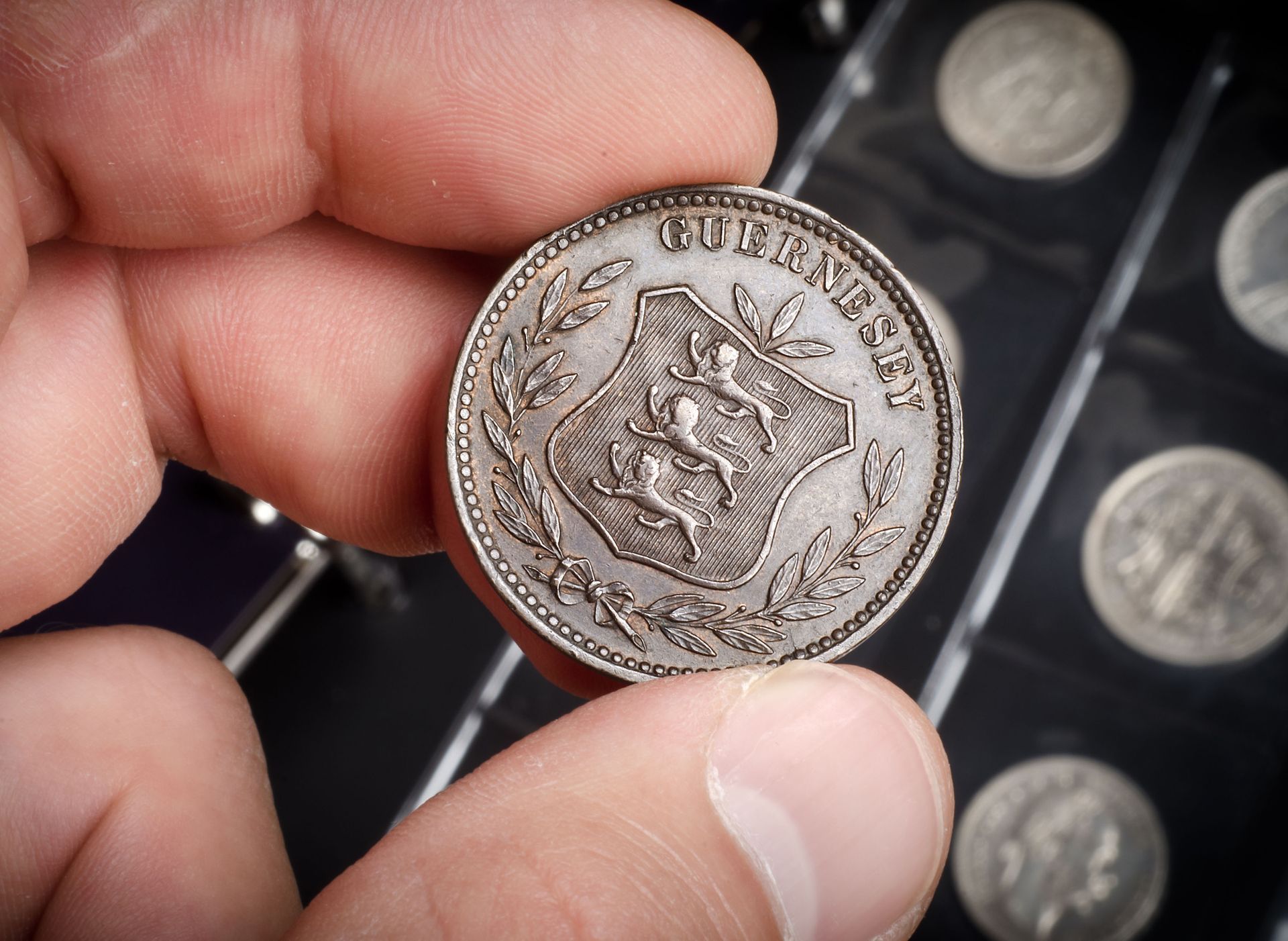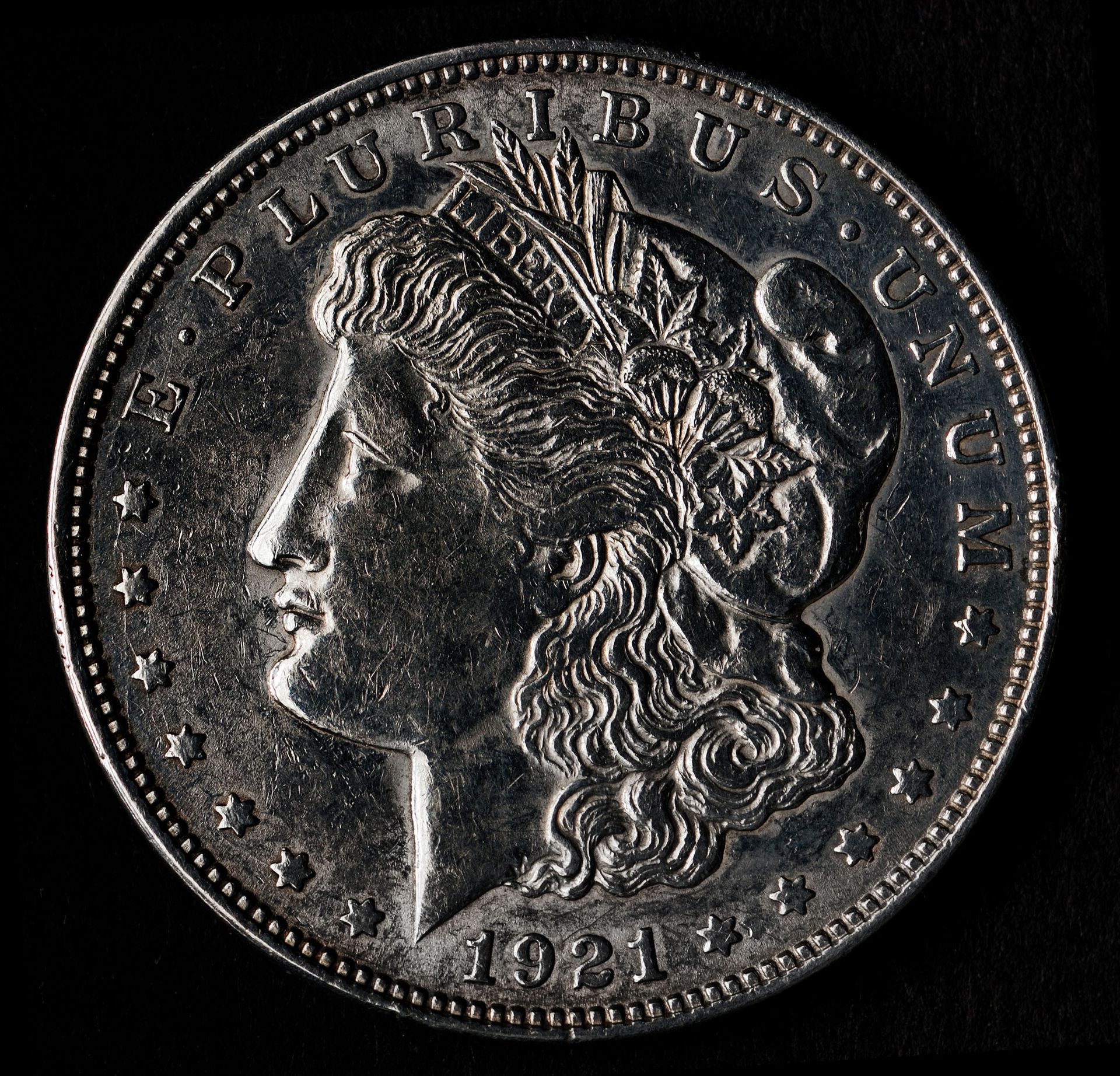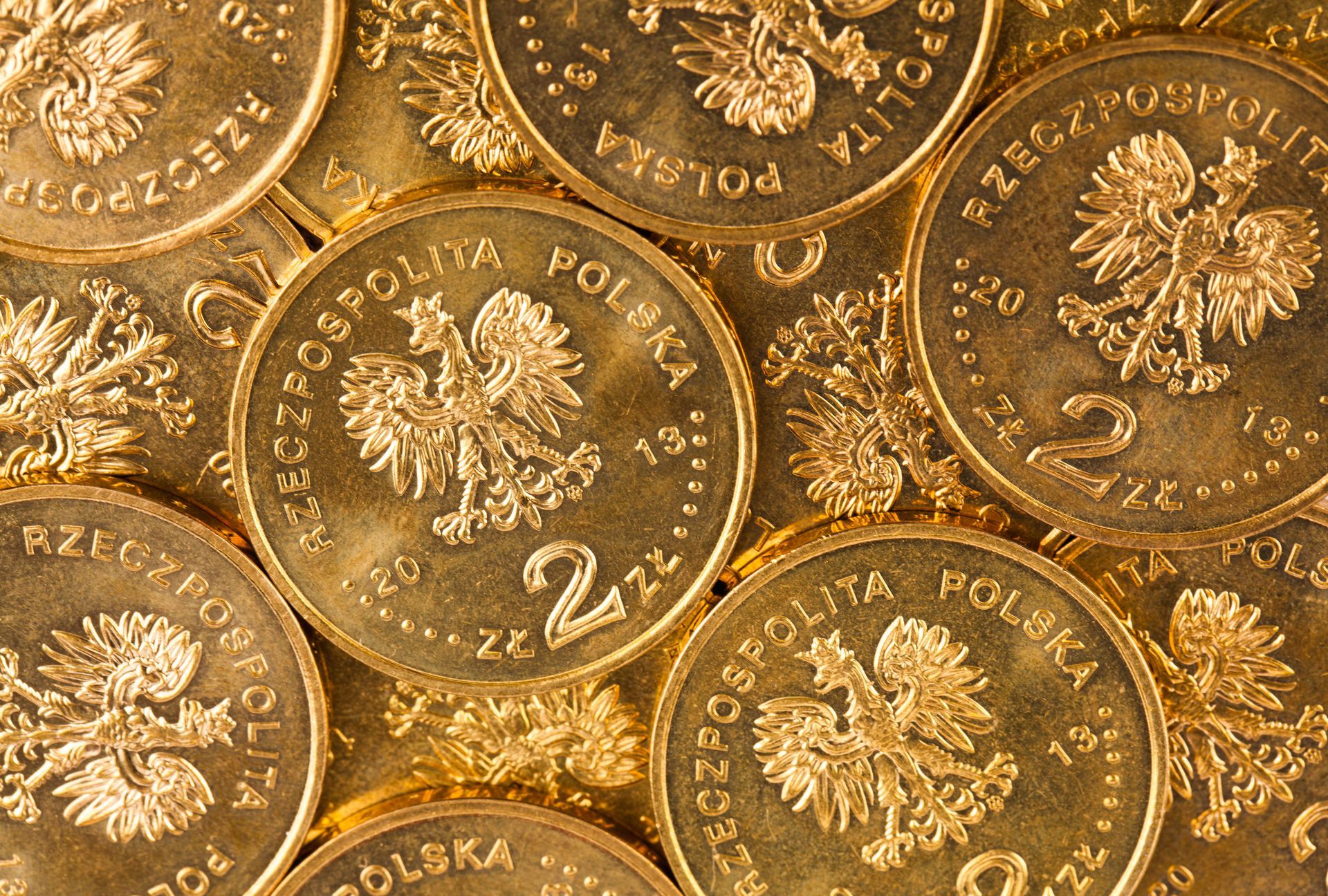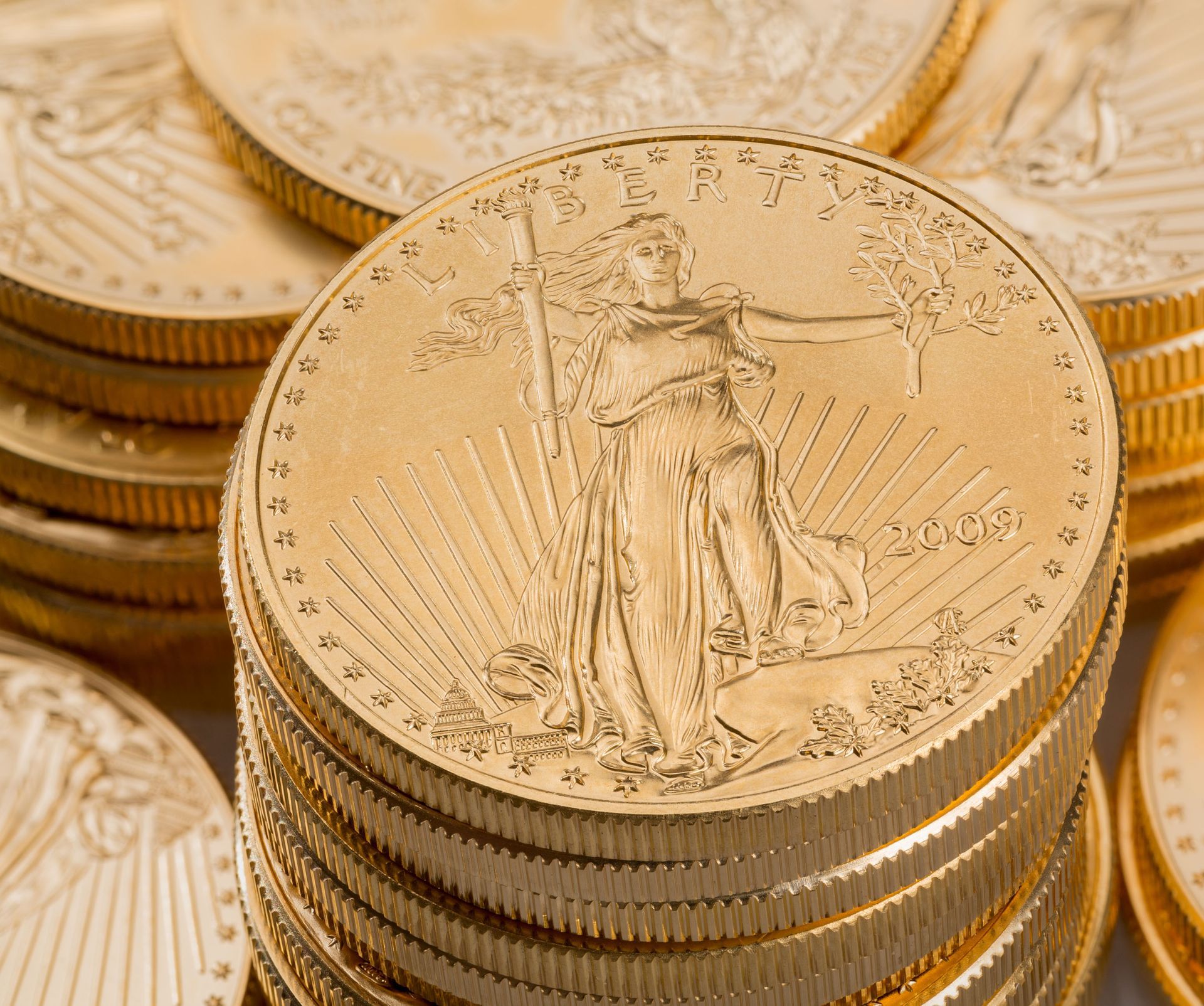
Did you know that coin collecting, also known as numismatics, has been a popular hobby for centuries, transcending cultures and time? Coin collecting is a hobby steeped in history, offering enthusiasts an opportunity to own a piece of the past and to celebrate diverse artistic expressions found in numismatic designs. It is an activity that not only enriches personal knowledge but also offers collectors the thrill of hunting and potential financial rewards. In a world where over 60% of Americans identified as collectors according to GOVMINT, it's clear that the appreciation for coins persists. Keep reading to learn why.
The Historical Allure of Coins
Tracing Back Ancient Civilizations
Coins have been an integral part of human history, tracing back to ancient civilizations such as the Greeks and Romans. These early societies used coins not only for trade but also as a means of propaganda and cultural expression. Coins often depicted rulers and gods, who were revered and mythologized, thus serving as miniature historical documents. The artistry and craftsmanship of ancient coins provide insights into societal values and technological capabilities of the time. Collectors today are captivated by this historical dimension, seeing coins as tangible connections to antiquity.
Coins as Living Artifacts
Coins function as living artifacts, encapsulating historical narratives and epochs in their design. Each coin tells a story of the time in which it was minted, often reflecting significant historical events. For example, commemorative coins may depict battles, peace treaties, or monumental discoveries, preserving these events in metal. They serve not only as memorabilia but also as gateways into deeper historical inquiry, inviting collectors to explore tales beyond the coinage itself. Through coin collections, individuals can weave a tapestry of human history and enrich their understanding of the past.
Evolution of Coinage Over the Centuries
Over the centuries, coinage has undergone significant transformations in terms of design, materials, and purposes. The evolution reflects innovations in minting technology, shifts in economic policy, and changes in artistic trends. As societies expanded and economies grew, coins transitioned from simple bartering tokens to sophisticated instruments of financial systems. The progression from electrum and copper to more complex alloys symbolizes the advances in metallurgical knowledge and economic sophistication. Collectors appreciate this evolution not only for its historical significance but also for the diverse narratives each coin tells.
Historical Events Preserved in Coinage
The intricate designs on coins serve as chronicles of noteworthy historical events. From depicting royal weddings to marking the end of wars, coins capture moments in history that transcend generations. Numismatists often find themselves dissecting these designs to uncover the narratives they encapsulate. The tangible nature of these coins provides a window into the past, allowing collectors to hold pieces of history in their hands. This aspect of coin collecting serves as a powerful reminder of humanity's shared history and evolution.
The Artistic Appeal of Numismatic Design
Intricate Patterns and Symbolism
The numismatic world is rife with artistry, with coins often embodying intricate designs and profound symbolism. Each coin conveys messages that speak to the cultural and historical contexts in which it was produced. The use of motifs and patterns serves not only as decoration but also as a means to convey spiritual, political, and national ideologies. Collectors are enamored with the skill and creativity that go into crafting these designs. The complexity of these symbolic designs is a testament to the artistry at play in numismatics, attracting those with an appreciation for fine art and design.
The Role of Master Engravers
Master engravers play a pivotal role in the creation of coin designs, shaping the aesthetic qualities and thematic elements of coins. With precision and artistry, engravers breathe life into metal, creating coins that are both functional and artistic. The meticulous engraving process demands expertise, with engravers pushing the boundaries of their craft to produce coins of exceptional detail and beauty. Their work is widely celebrated within the numismatic community, and coins featuring their artistry are highly prized. Collectors often seek coins by particular engravers, adding a layer of artistic appreciation to their collections.
Commemorative and Special Edition Coins
Commemorative and special edition coins hold a unique charm in the numismatic world, celebrated for their limited production and exclusive themes. These coins are minted to mark significant events, anniversaries, or milestones, often featuring elaborate designs and rare compositions. Their aesthetic appeal is matched by their scarcity, making them attractive to collectors. Collectors are drawn to both the artistic elements and the stories commemorated by these editions. Commemorative coins allow collectors to engage with history while appreciating the artful renditions depicted on each piece.
The Significance of Metal Composition
The choice of metal is crucial in the production of coins, influencing both their aesthetic and intrinsic values. Precious metals like gold and silver not only elevate the status of a coin but also add a layer of lustrous beauty. The metallurgy behind a coin can denote its purpose, whether for trade, tribute, or ceremonial use. Metal composition also affects the longevity and condition of coins, impacting their desirability among collectors. Understanding the metals used in coinage is essential for collectors, adding another dimension to the appreciation of numismatic treasures.
Cultural and Educational Value
Coinage and National Identity
Coins hold significant cultural value, often serving as symbols of national identity and pride. The imagery and iconography depicted on coins convey a nation's values and heritage, whether through prominent figures, landmarks, or symbols. Collectors find that assembling a collection of coins from various nations offers insights into differing cultures, histories, and values. Coins function as ambassadors of a nation's legacy, providing tangible representations of cultural narratives. As a result, numismatics serves as an engaging way to explore the diverse tapestries of global societies.
Learning Through Coin Collections
Coin collecting is not only a hobby but also an educational pursuit, offering opportunities to learn about different periods and cultural practices. Collectors often delve deep into the historical backgrounds of coins, researching their historical contexts and assessing their significance. These inquiries can lead to a greater understanding of economic systems, historical events, and cultural exchanges. Through hands-on exploration, collectors cultivate their historical knowledge, encouraging continuous learning. Coin collections offer not just physical artifacts but also avenues for intellectual stimulation and curiosity.
Connecting Generations Via Shared Stories
Coins provide a bridge between generations, connecting the past with the present through shared stories and artifacts. Many collectors inherit coins from relatives, embedding family histories and personal anecdotes within the confines of their collections. These inherited coins often hold sentimental value, capturing personal journeys alongside historical narratives. The transmission of coins between generations fosters shared interests and connections, allowing stories to travel through time. Such collections serve as mnemonic devices, preserving family legacies and creating enduring bonds among collectors.
Understanding Economic Histories
Coins serve as valuable resources for understanding economic histories, offering insights into past economies and trade systems. The composition, design, and distribution of coins reflect historical fluctuations in trade, wealth, and political power. Collectors often use coins to explore concepts such as inflation, deflation, and economic expansion, providing empirical evidence for academic inquiries. This economic dimension of coin collecting attracts those with a penchant for finance and economic theory. By assembling historical coins, collectors piece together narratives of economic growth and decline through tangible evidence.
Coin collecting continues to captivate enthusiasts because it blends history, artistry, education, and personal connection into a single, rewarding pursuit. Each coin offers more than monetary value; it represents a story shaped by culture, politics, craftsmanship, and human progress. Through numismatics, collectors gain a deeper appreciation for how societies have evolved and how these changes are preserved in enduring physical form. Whether motivated by historical curiosity, artistic admiration, educational growth, or the desire to preserve meaningful legacies, coin collecting remains a timeless hobby that invites individuals to connect with the past while enriching their understanding of the present. Reach out to Roswell Gold, Silver & Coins today to start building your collection.