By Rob Moore
November 25, 2026
Local coin appraisals can transform a simple curiosity into a confident understanding of a coin's value and history. This article explores the ins and outs of coin appraisals, offering insights into what enthusiasts and collectors can expect during the appraisal process. Coins are not only collectible treasures but also pieces imbued with history, culture, and sometimes substantial financial worth. The journey from being a curious onlooker to a confident collector often involves understanding the subtle nuances of coins. Delving into the world of coin appraisals is an adventure where knowledge empowers and enhances one's appreciation of their collection.
The Importance of Coin Appraisals
Coin appraisals serve as an authoritative method for determining a coin's market value. Understanding market value is crucial not only for potential sales but also for insurance purposes. Coins vary significantly in terms of historical significance and scarcity, impacting their market prices. Collectors often look to appraisals to understand these factors better and to gain clarity on high-value pieces. This process solidifies an understanding of supply and demand in the numismatic market, which can vary widely.
Appraisals also play a pivotal role in identifying rare and potentially valuable coins. Identifying rare coins is not just about spotting unique designs or old dates, but also understanding the rarity and condition, all of which coincidently increase the coin's value. Some coins, due to their minting errors or limited production, can skyrocket in worth. According to Springer Nature Link, high-grade rare U.S. coins delivered historical average annual returns of 11% between 1979 and 2018, outperforming several traditional asset classes. Hence, many collectors use appraisals as a tool to uncover such potentially lucrative gems.
Determining authenticity is another cornerstone of the appraisal process. With counterfeits present in the market, ensuring a coin's authenticity involves meticulous scrutiny by expert appraisers. Authentication provides assurance, not only for personal satisfaction but also when buying, selling, or insuring a collection. Knowing that a coin is genuine offers peace of mind and trust in one's collection's integrity. Thus, appraisals become essential in building a trustworthy collection, where each piece holds verified historical and market significance.
Preparing for Your Coin Appraisal
Preparation is key when you decide to get your coin collection appraised. Organizing your collection systematically ensures a smoother appraisal process. Categorizing coins by denomination, year, and country of origin can help. Moreover, maintaining proper storage with protective holders can preserve coin conditions. A well-organized collection not only simplifies the appraisal for the expert but also highlights your dedication as a collector.
Researching potential appraisers is equally important. Not all appraisers are created equal; some specialize in modern coins while others excel in ancient numismatics. Trusted appraisers should have verifiable credentials and a reputable standing in the numismatic community. Seeking recommendations from fellow collectors or online numismatic forums can aid in finding the right expert. Choosing a well-regarded appraiser builds confidence in the accuracy and authenticity of the appraisal results.
Gathering relevant documentation, such as previous appraisals, certificates of authenticity, and purchase receipts, adds value to the appraisal process. Documentation provides a historical context and removes ambiguity about the coin's origin and history. Furthermore, understanding numismatic terminology, even at a basic level, empowers collectors to engage in meaningful conversations during the appraisal. The more informed you are about terms and processes, the more insightful the appraisal experience becomes. Setting personal goals for the appraisal, such as verifying authenticity or updating insurance values, can guide the outcome to meet your specific needs.
What to Expect During the Appraisal Process
The appraisal process typically begins with an initial consultation and overview. During this stage, appraisers engage with collectors, discussing goals and expectations. Whether it's an informal chat or a structured meeting, this consultation helps lay the groundwork for the subsequent evaluation. It's a chance for collectors to share anecdotes or details about particular coins in their possession. Establishing a rapport with the appraiser ensures a transparent and efficient appraisal process.
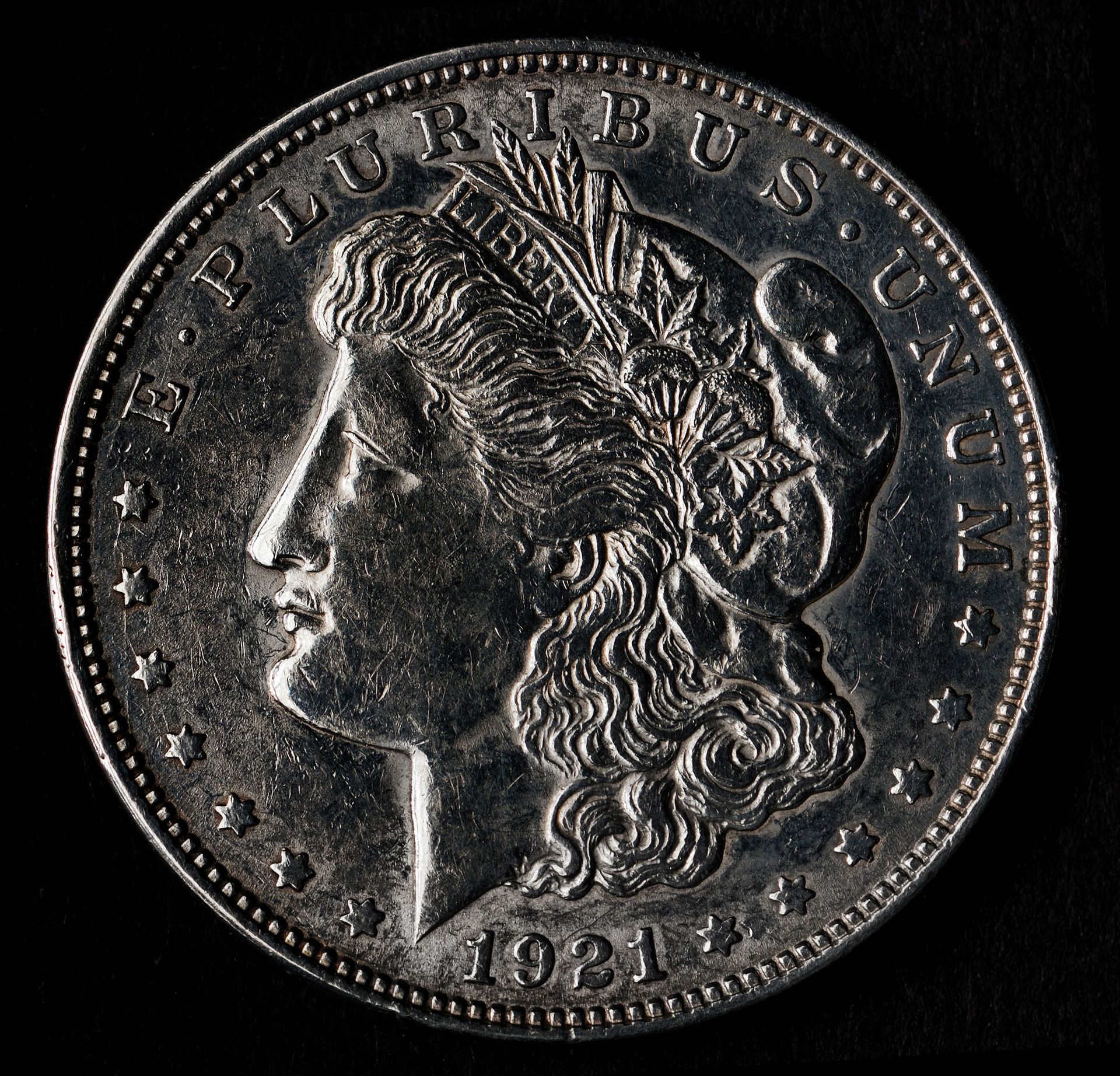
A visual inspection and grading are core to the appraisal. In this phase, the appraiser carefully examines each coin, assessing its condition, rarity, and eye appeal. Coins are graded on an internationally recognized scale that reflects their state of preservation. This grading is crucial for determining market value and long-term investment potential. Experienced appraisers bring a discerning eye, capable of detecting subtle imperfections or enhancements that might escape the untrained observer.
Verifying coin authenticity involves the use of specialized tools and techniques to ensure each piece is genuine. Authenticity checks protect collectors from investing in counterfeit items. Appraisers are adept at recognizing details down to the minting techniques and metal compositions. Discussing historical and cultural significance is also a pivotal part of the appraisal, as it adds a layer of understanding and appreciation beyond monetary value. Finally, estimating market value and potential future trends provides collectors with a roadmap for decision-making, underpinning the financial and strategic actions concerning their collection.
Common Tools and Techniques Used in Appraisals
Various tools and techniques are employed in the appraisal process, each serving a specific purpose. Magnifiers and microscopes are essential for detecting microscopic details, imperfections, or signs of wear that impact a coin's grading. These tools allow appraisers to examine inscriptions, mint marks, and other elements that may not be visible to the naked eye. An accurate grading informs collectors about the coin's relative value within the market. Precision in this initial analysis can significantly influence the appraisal’s outcome.
Reference guides and catalogs are indispensable resources for numismatic research during appraisals. These publications contain extensive information about coin rarities, historical context, and previous sales data. Access to a wealth of historical market data ensures appraisers are informed about current trends and comparable sales. Such references enhance the appraiser's ability to provide accurate and fair evaluations. They also serve as educational tools for collectors seeking broader knowledge about their collections.
Modern technology has introduced advanced tools, such as metal testing equipment and sophisticated imaging technology, into the appraisal process. Metal testers can detect the composition and purity of coins, which is pivotal in verifying authenticity. Imaging technology allows in-depth scrutiny of coins, ensuring even the slightest details are captured during the evaluation. Online databases and software tools complement these methods by offering platforms for tracking historical sales and market values. Together, these technologies facilitate a comprehensive and reliable appraisal process.
Potential Challenges and Solutions in Coin Appraisals
Coin appraisals, while highly valuable, are not without challenges. One significant challenge is dealing with counterfeit coins, which have become increasingly sophisticated. Detecting such counterfeits requires a combination of expertise and advanced technology. Appraisers mitigate this risk by continuously updating their knowledge and utilizing state-of-the-art equipment. Education for collectors is also vital, as understanding the signs of counterfeit coins can prevent costly mistakes.
Handling uncertain provenance is another obstacle. Coins often pass through many hands, and documentation or provenance can be lost over time. This uncertainty can affect a coin’s authenticity and value assessment. Appraisers address this by relying on their expertise and available historical data to fill gaps. Employing stringent verification methods and consulting additional experts can also aid in mitigating this challenge, ensuring an accurate and fair valuation.
Local coin appraisals serve as a vital tool for collectors and enthusiasts, bridging the gap between curiosity and confidence. By understanding the appraisal process, preparing effectively, and utilizing the insights gained, collectors can enhance the value, enjoyment, and educational potential of their coin collections. Appraisals not only verify authenticity and market value but also deepen one’s appreciation for the historical significance of each piece. They offer a path for continued learning and engagement in the vibrant world of numismatics. Ultimately, a well-conducted appraisal transforms curiosity into informed confidence, enriching both personal satisfaction and the wider collecting community. Be sure to reach out to Roswell Gold, Silver & Coins today to learn more about our professional local coin appraisals!