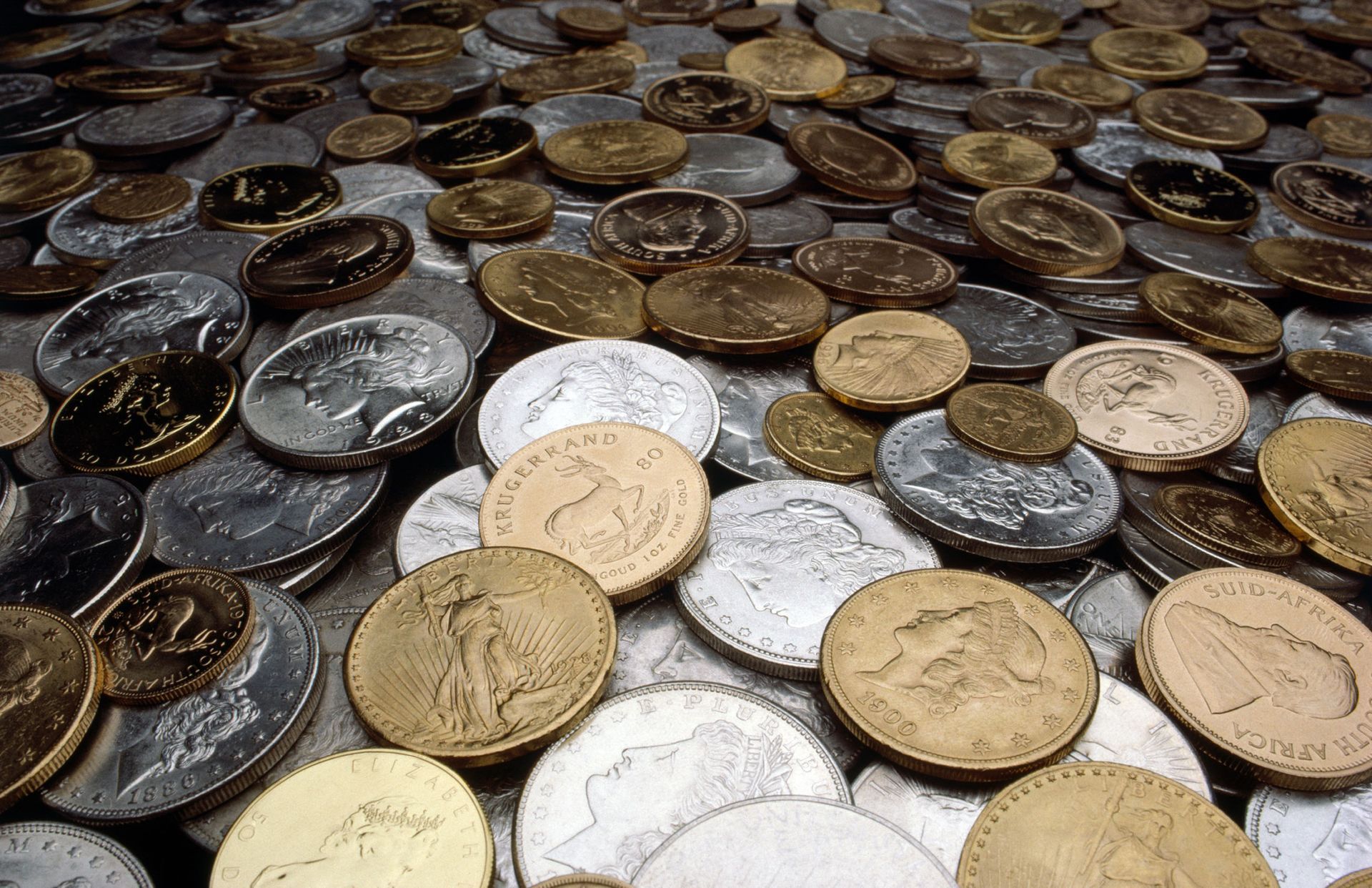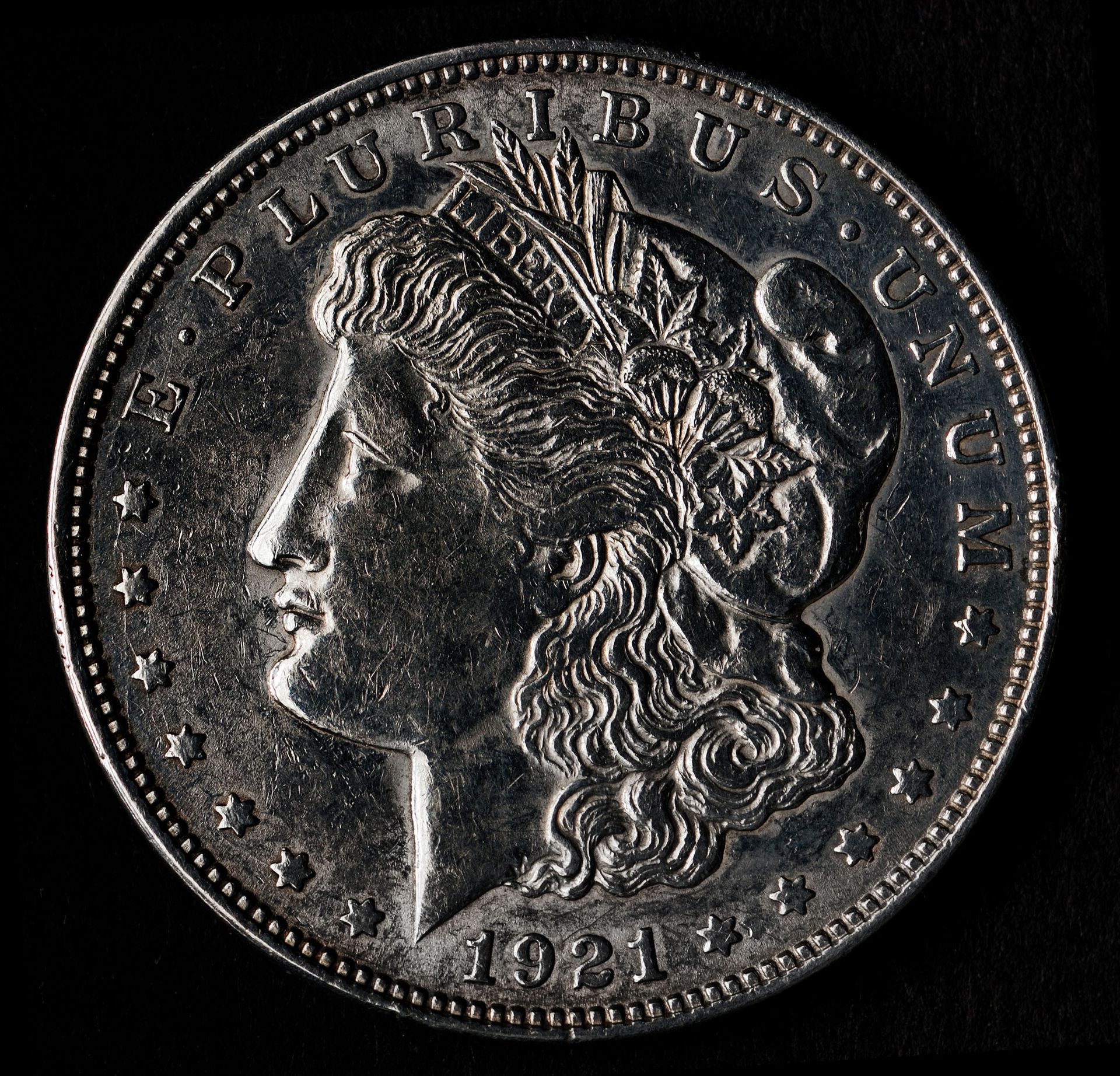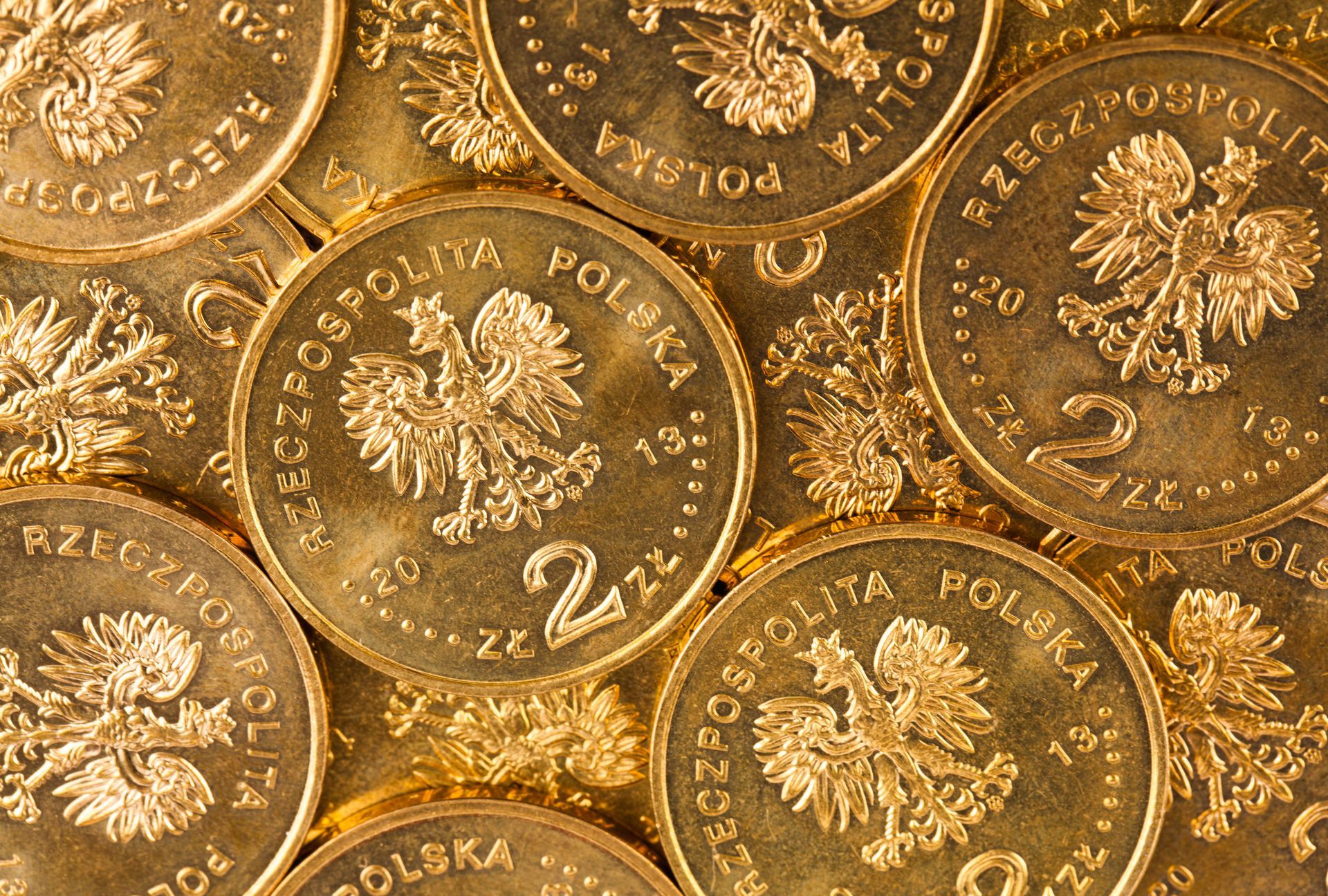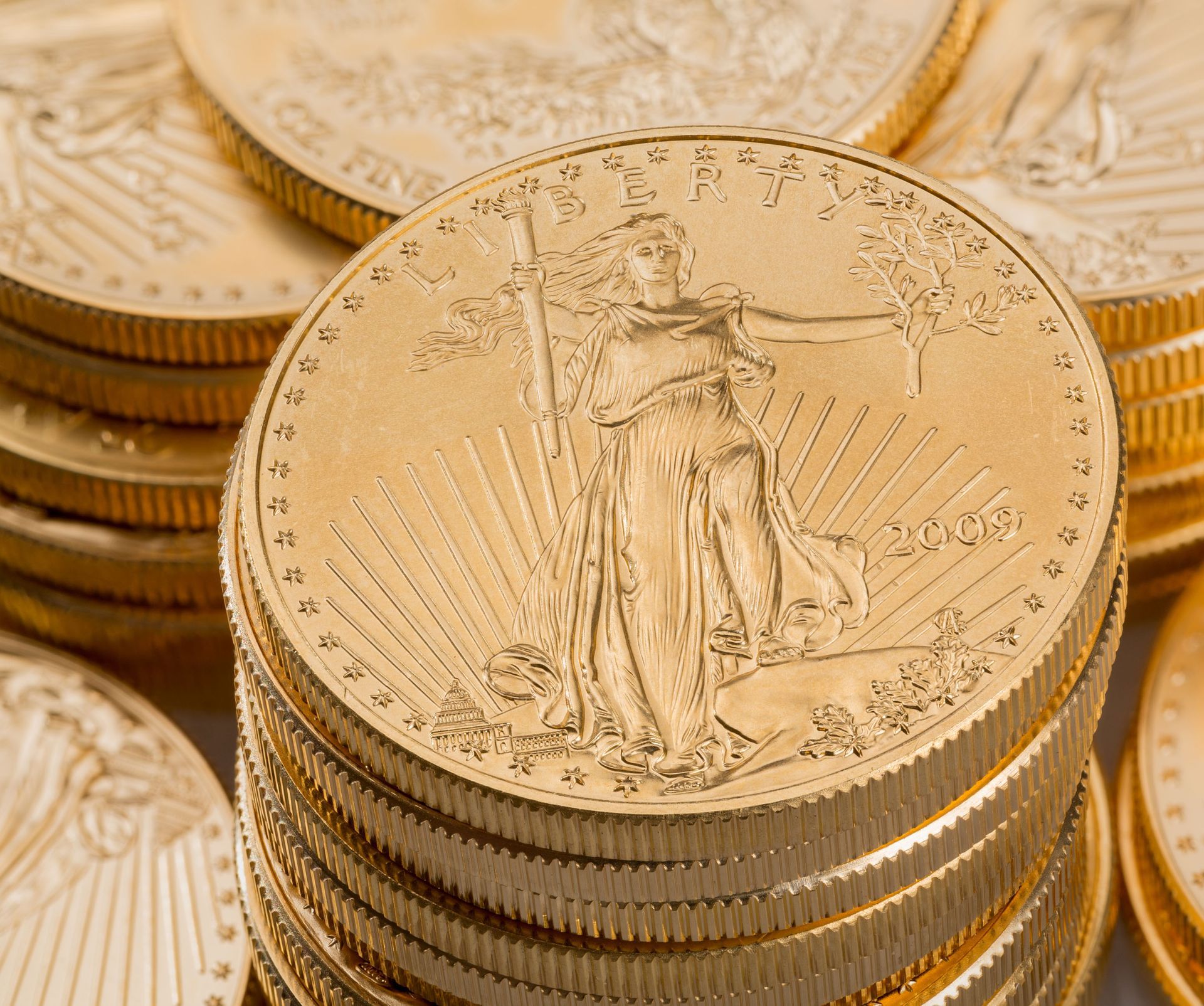
Coin collecting, often referred to as numismatics, appeals to enthusiasts for numerous reasons. It offers a tangible connection to history, allowing collectors to hold pieces of the past in their hands. Rare coins can signify cultural heritage and national pride, as well as represent artistic achievements in coinage. Additionally, in financial contexts, some coins are valued far beyond their face value, making them lucrative investments. Keep reading to explore the multifaceted world of coin collecting and which coins stand out as treasures for collectors.
The History and Significance of Coin Collecting
Ancient Origins of Coin Collecting
The practice of coin collecting dates back to ancient civilizations, where coins were not merely currency but symbols of power. Roman emperors, for example, used coinage to assert their legitimacy and commemorate their victories. Rich citizens often hoarded coins not for commerce but to display wealth and status. This early form of numismatics showed that, beyond practical usage, coins served as cultural and historical propaganda. As empires rose and fell, their coins were left behind as legacies, sparking the interest of collectors millennia later.
Evolution of Numismatics as a Hobby
Numismatics gradually evolved into a scholarly and leisure pursuit among the European nobility during the Renaissance. The Enlightenment era further bolstered this interest as intellectual curiosity in artifacts grew. During this time, monarchs such as King Louis XIV of France amassed extensive coin collections. By the 20th century, coin collecting had expanded beyond aristocrats to become an accessible hobby for the general population. Clubs, exhibitions, and publications in this period fostered a community of enthusiasts who shared their passion for history and detail.
Historical Figures in Coin Collecting
Over the centuries, several notable figures have shaped the field of numismatics. Augustus, the first Roman emperor, was known to collect rare and historical coins. In more recent history, Joseph Eckhel, a numismatist in the 18th century, is often credited with systematizing the study of ancient coins. More modern collectors, such as King Farouk of Egypt, were famous for their passion and impressive collections. These individuals, among others, have contributed significantly to the body of knowledge surrounding coin collecting.
The Role of Coin Collecting in Cultural Preservation
Coin collecting plays an essential role in the preservation of cultural heritage. Because coins often feature important imagery and inscriptions, they provide insight into the societies that produced them. They can reveal information about political leaders, economic conditions, and artistic trends. Collectors, by preserving coins, ensure that these artifacts remain available for future generations to study and appreciate. Thus, collecting coins is not just a hobby but a method of conserving human history.
Modern Trends in Coin Collecting
Today, coin collecting remains a popular hobby, with millions of enthusiasts worldwide. According to OpenPR, a worldwide public relations firm, the global coin collecting market reached $18.10 billion in value in 2023 and shows impressive momentum. This growth indicates a robust interest in numismatics, aided by online platforms that facilitate community building and the exchange of information. Technological advancements have also made it easier for collectors to authenticate and grade coins accurately. These trends evidence the evolving nature of numismatics and its adaptation to contemporary interests and tools.
Factors That Determine a Coin's Value
Rarity and Scarcity
Rarity and scarcity are primary factors in a coin's value. Coins minted in limited quantities or as part of a discontinued series tend to be highly sought after. Even a common coin can become valuable if few examples remain due to attrition or hoarding. Numismatists often study mint records and coin survival estimates to assess rarity. Collectors typically prioritize these coins as they add significant prestige to their collections.
Historical Significance
Historical significance is another critical consideration in coin valuation. Coins associated with pivotal historical events or famous personalities often command higher prices. For instance, ancient coins featuring images of Alexander the Great are highly valued due to their historical association. Furthermore, coins that mark significant events, such as the end of a war or the beginning of a reign, hold particular appeal. These coins are not only historical artifacts but also pieces in the narratives they represent.
Condition and Grading
The condition of a coin significantly impacts its value, with collectors seeking coins in the best possible state. Grading systems have been established to evaluate coins based on specific criteria, including wear, luster, and strike quality. Grade classifications, such as Mint State (MS) or Good (G), help standardize the assessment process. Coins in near-pristine condition can be exponentially more valuable than their worn counterparts. Precise grading requires expertise, making professional grading services a common part of the numismatic landscape.
Metal Content and Purity
The intrinsic metal content contributes to a coin's value, especially in the context of precious metals like gold and silver. Some collectors focus explicitly on bullion coins with high purity levels due to their reliable store of value. The rise or fall of metal prices can influence these coins' market values. Numismatic interest in metal content often overlaps with traditional investment strategies. Therefore, understanding metallurgical compositions is pivotal for those collecting with both passion and profit in mind.
Top U.S. Coins in the Collector's Market
Saint-Gaudens Double Eagle
The Saint-Gaudens Double Eagle is highly revered among coin collectors. Designed by Augustus Saint-Gaudens and minted between 1907 and 1933, these $20 gold pieces are celebrated for their artistry. The coin's obverse features a striking depiction of Liberty, while the reverse showcases a majestic eagle. In 1933, nearly all Double Eagles were recalled and melted, making surviving specimens extraordinarily rare. Today, this coin is not just a collector's item but an icon of American numismatics.
1794 Flowing Hair Silver Dollar
The 1794 Flowing Hair Silver Dollar holds an esteemed position as one of the first silver dollars struck by the United States. It features the emblematic flowing hair portrait of Liberty and a small eagle on its reverse. This coin's historical significance, coupled with limited mintage, makes it particularly valuable. In recent years, examples have sold for millions, underscoring their premium status among collectors. As a testament to American history, it bridges the gap between numismatics and national heritage.
1913 Liberty Head Nickel
With only five examples known to exist, the 1913 Liberty Head Nickel is an American numismatic legend. Its creation stems from a deliberate minting for private collection rather than public distribution. Collectors worldwide consider it a mysterious treasure due to its rarity and intriguing origin story. Sales of this coin at auction have reached staggering amounts, oftentimes in the millions. Its allure lies in its scarcity and the overwhelming desire of collectors to obtain such an exclusive piece.
1909-S V.D.B. Lincoln Penny
One of the most iconic U.S. coins, the 1909-S V.D.B. Lincoln Penny, was issued to honor the centenary of Abraham Lincoln's birth. The initials V.D.B represent the designer Victor David Brenner, whose prominent mark was removed after initial mintings, making those pennies rare. Particularly, the minting from San Francisco (denoted by 'S') is highly valued due to its scarce quantity. This coin acts as a symbol of American history and admiration for Lincoln's legacy. For penny enthusiasts, the 1909-S V.D.B remains a coveted element of prestige.
We've journeyed through the fascinating world of coin collecting, demonstrating how coins encompass history, culture, and value. From the ancient practices to modern numismatics, and from national treasures to global icons, we have examined what makes some coins so desirable and lucrative. As newcomers enter this area of inquisitive exploration, they fuse joy with financial dexterity, commemorating diverse narratives while investing in beauty and heritage. Prospective and seasoned collectors alike will find that with knowledge and passion, coin collecting remains a deeply rewarding pursuit. Contact Roswell Gold, Silver & Coins today to learn more.